
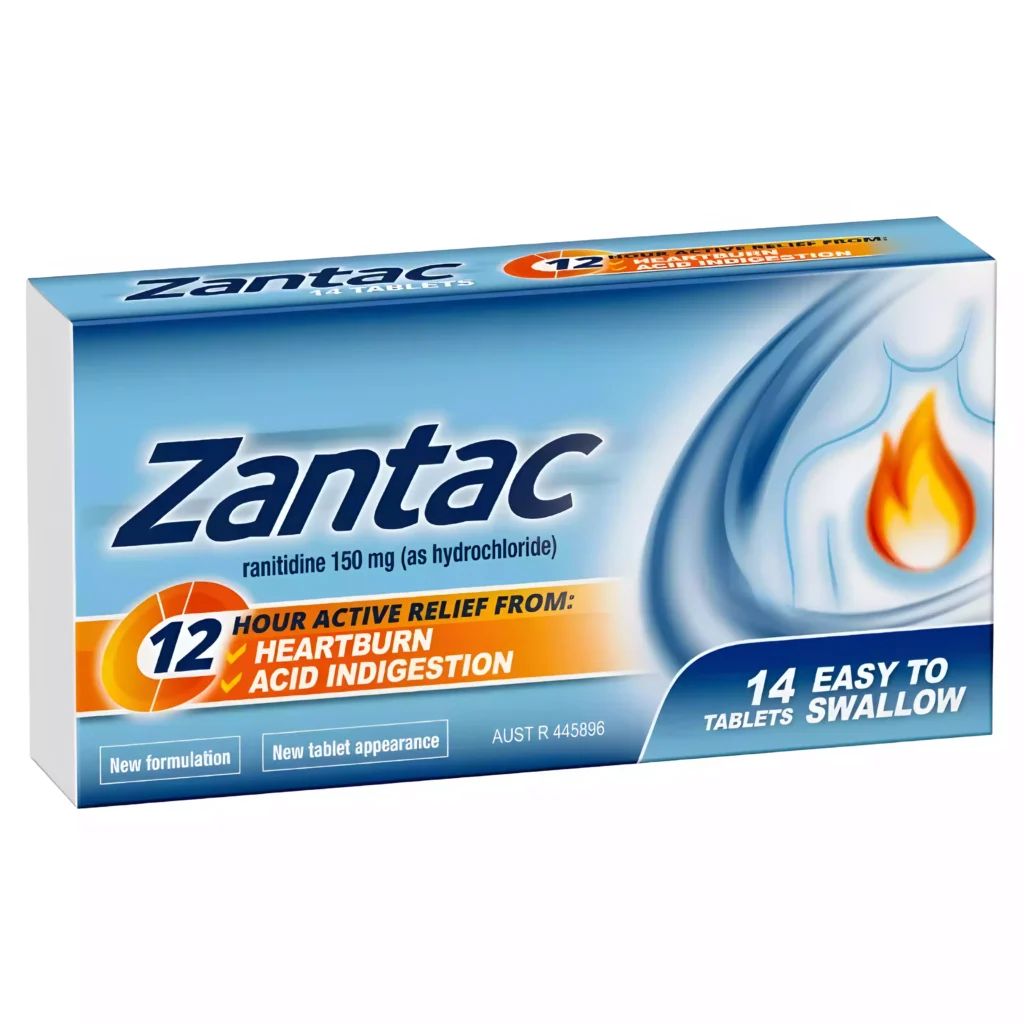
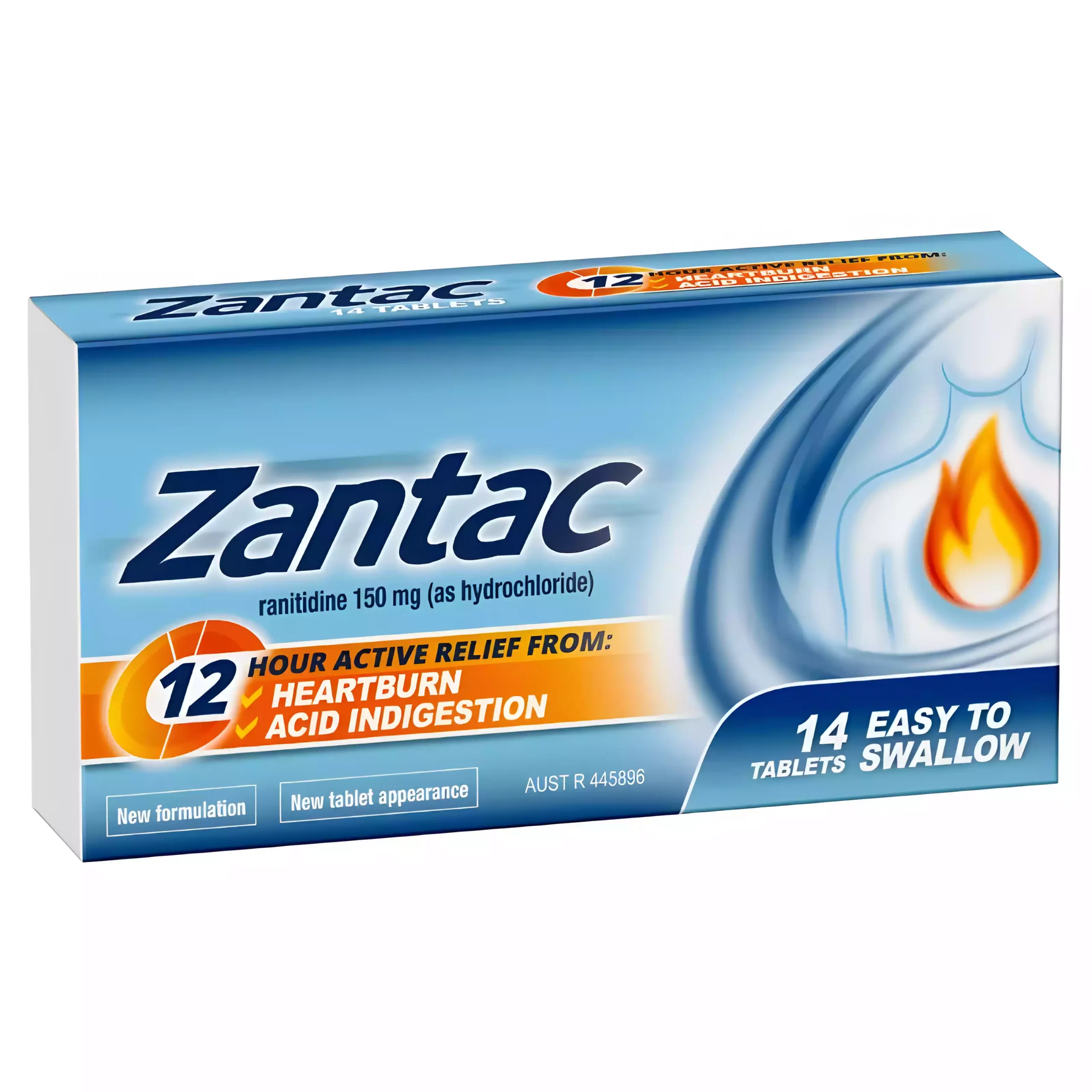

How Does Zantac (Ranitidine) Work?
Zantac works by targeting and blocking the H2 receptors located in the stomach lining. These receptors are responsible for triggering the release of stomach acid when activated by histamine. When Zantac is taken, it prevents histamine from binding to these receptors, thereby reducing the volume and acidity of stomach acid produced. As a result, the excess acid that causes discomfort, heartburn, and irritation to the stomach and esophagus is significantly reduced.
This reduction in stomach acid helps to prevent and heal conditions such as ulcers, acid reflux, and heartburn. Zantac can also aid in preventing the recurrence of ulcers, particularly in patients with conditions like Zollinger-Ellison syndrome, which causes excessive stomach acid production.
Uses
Zantac (Ranitidine) is used to treat various conditions related to excessive stomach acid production. Some of its common uses include:
- Gastroesophageal Reflux Disease (GERD): GERD occurs when stomach acid frequently flows back into the esophagus, causing symptoms such as heartburn and chest pain. Zantac helps manage GERD by reducing stomach acid production.
- Peptic Ulcers: Peptic ulcers are open sores that develop on the lining of the stomach or the small intestine. Zantac is often used to treat both gastric and duodenal ulcers by reducing stomach acid, allowing the ulcer to heal.
- Acid Reflux (Heartburn): Zantac can relieve the symptoms of heartburn, which is caused by acid reflux into the esophagus, resulting in a burning sensation in the chest.
- Zollinger-Ellison Syndrome: This rare condition leads to an overproduction of stomach acid, and Zantac is used to manage acid production in affected individuals.
- Prevention of Ulcer Recurrence: Zantac may be prescribed to prevent the recurrence of ulcers, particularly in individuals who are prone to developing them.
- Erosive Esophagitis: This condition involves inflammation and damage to the esophagus caused by stomach acid. Zantac can help reduce acid production and promote healing.
Benefits
The use of Zantac (Ranitidine) 150 mg comes with several benefits, making it a valuable medication for those suffering from acid-related conditions:
- Effective Heartburn Relief: Zantac helps reduce the acid reflux that causes heartburn, providing relief from the discomfort and burning sensation in the chest.
- Healing of Ulcers: Zantac promotes healing of both gastric and duodenal ulcers by reducing stomach acid and creating a less acidic environment for the ulcer to heal.
- Prevention of Recurrence: For patients with a history of ulcers or acid reflux, Zantac can help prevent future occurrences by maintaining a balance in stomach acid production.
- Management of GERD: Zantac is a key component in the treatment plan for GERD, where its acid-reducing effect helps control symptoms and reduce damage to the oesophagus.
- Safe for Short-term Use: For people who experience occasional acid reflux or heartburn, Zantac can provide a safe, short-term solution for symptom relief.
Side Effects
As with any medication, Zantac (Ranitidine) can cause side effects in some individuals. However, not everyone will experience these side effects, and many people tolerate the medication well. Common side effects include:
- Headache: Some individuals may experience mild to moderate headaches while taking Zantac.
- Dizziness: Feeling lightheaded or dizzy is a potential side effect, particularly when standing up quickly.
- Constipation or Diarrhea: Changes in bowel movements, such as constipation or diarrhea, can occur.
- Nausea: Some users may feel nauseated after taking Zantac, although this side effect is less common.
- Fatigue: Feeling tired or fatigued may occur, especially when adjusting to the medication.
More serious side effects are rare but can include:
- Allergic Reactions: Some individuals may experience signs of an allergic reaction, such as rash, itching, or swelling, particularly in the face or throat.
- Liver Issues: In rare cases, Zantac may cause liver problems, which can manifest as yellowing of the skin or eyes (jaundice).
- Severe Abdominal Pain: Severe stomach pain or discomfort may be a sign of a more serious side effect and requires medical attention.
If any of these side effects are persistent or bothersome, it’s important to contact your healthcare provider for further guidance.
Recommendations
- Consult a Doctor: Always consult with your healthcare provider before starting Zantac to ensure it is appropriate for your condition.
- Follow the Dosage Instructions: Adhere to the recommended dosage and do not take more than directed to avoid potential side effects or complications.
- Take with or without Food: Zantac can be taken with or without food. However, taking it with a meal may reduce the chance of stomach upset.
- Monitor for Side Effects: While Zantac is generally safe, keep an eye out for any unusual symptoms, particularly if you experience signs of an allergic reaction.
- Avoid Long-Term Use: Zantac is typically prescribed for short-term use. Long-term use should only be under the supervision of a healthcare provider.
FAQs about Zantac (Ranitidine)
Is Zantac safe for pregnant women?
Zantac is classified as a Category B pregnancy drug, meaning that studies on pregnant women have not shown a risk to the fetus. However, it is essential to consult your doctor before taking any medication during pregnancy.
Can I take Zantac with other medications?
Zantac may interact with certain medications. It is important to inform your doctor of all other medications you are taking to avoid potential drug interactions.
How long does Zantac take to work?
Zantac typically begins to work within 30 to 60 minutes after taking the medication, providing relief from symptoms of heartburn or acid reflux.
Can I drink alcohol while taking Zantac?
While alcohol does not directly interact with Zantac, it can exacerbate acid reflux symptoms and irritate the stomach lining. It is recommended to avoid excessive alcohol consumption while using Zantac.
How should Zantac be stored?
Store Zantac at room temperature, away from heat, moisture, and direct light. Keep the medication out of reach of children.
How long does it take to deliver Zantac (Ranitidine) to the US?
International shipping of tablets to the US takes approximately 14 to 25 days. For domestic shipping, the estimated delivery time is up to 10 days.
Do I need a prescription to buy Zantac (Ranitidine)?
While we offer the option to buy tablets without a prescription internationally, we strongly recommend consulting your physician and seeking medical advice before taking any medication.
Important Note:
Purchasing Zantac (Ranitidine) online from USA-PharmaStore is simple and secure for US customers. It accepts trusted payment methods like Visa, Mastercard, and PayPal, which protect transactions and keep information safe. Customers benefit from guaranteed delivery, with a full refund offered if orders do not arrive as expected, fostering trust in online medication purchases. Responsive customer support is available via email at [email protected], typically responding within 48 hours to any medication or order status questions.
Reviews
There are no reviews yet.