



Active Ingredients
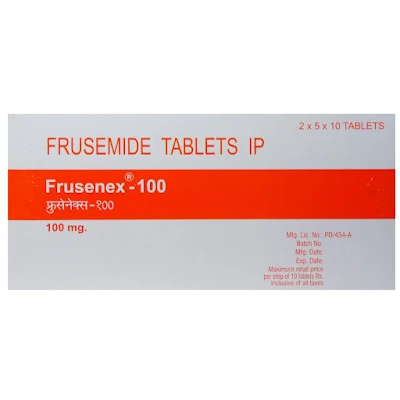
The active ingredient in Frusenex is Furosemide. Furosemide is a loop diuretic that acts on a specific part of the kidneys known as the loop of Henle. It prevents the reabsorption of sodium, chloride, and water into the bloodstream, leading to increased urine production. This mechanism helps to eliminate excess fluid from the body, which is beneficial for conditions that cause swelling or fluid retention.
How Does Frusenex Work?
Furosemide, the active ingredient in Frusenex, works by inhibiting the sodium-potassium-chloride cotransporter in the loop of Henle, a portion of the kidney’s nephron. This inhibition prevents the kidneys from reabsorbing sodium and chloride, reducing the amount of water the body retains. As a result, more urine is produced, and the extra fluid is flushed out of the body. This action effectively reduces edema (fluid retention) and lowers blood pressure in patients with hypertension.
In addition to its diuretic effects, Furosemide also dilates blood vessels, which can reduce blood pressure. By helping to maintain a balance of fluids in the body, Frusenex is effective in managing conditions like heart failure and kidney disease, where excess fluid buildup can be dangerous.
Uses
Frusenex (Furosemide) is prescribed for various medical conditions, especially excess fluid buildup. Its primary uses include:
- Edema: Frusenex is commonly used to treat edema caused by conditions such as congestive heart failure, cirrhosis of the liver, or chronic kidney disease. In these conditions, the body retains excess fluid, causing swelling in the legs, ankles, feet, and abdomen. Frusenex helps to eliminate this extra fluid.
- Hypertension (High Blood Pressure): Furosemide can also be used to manage high blood pressure alone or in combination with other antihypertensive medications. By reducing fluid retention and improving blood vessel function, it helps to lower blood pressure.
- Pulmonary Edema: Frusenex is used in emergencies to treat pulmonary edema, a condition where fluid accumulates in the lungs, making breathing difficult. This condition can result from heart failure or other severe cardiovascular diseases.
- Chronic Kidney Disease (CKD): Patients with chronic kidney disease may experience fluid buildup. Furosemide can be prescribed to manage fluid overload and prevent complications related to kidney function.
Benefits
- Effective Diuretic Action: Frusenex is highly effective at reducing fluid retention, which is crucial in managing conditions like heart failure, liver disease, and kidney disorders. Its ability to remove excess fluid helps reduce swelling and discomfort.
- Blood Pressure Control: Frusenex can lower high blood pressure, making it an essential part of treatment for patients with hypertension. It may be used alone or as a combination therapy for more adequate blood pressure management.
- Improves Breathing in Pulmonary Edema: By reducing fluid in the lungs, Frusenex helps improve breathing in patients with pulmonary edema, offering relief from symptoms such as shortness of breath and chest tightness.
- Kidney Protection: In certain kidney conditions, Frusenex helps prevent the complications associated with fluid overload, such as worsening kidney function or heart failure exacerbations.
- Quick Action: Frusenex works rapidly, often producing noticeable results within hours of administration. This is particularly beneficial in emergencies like pulmonary edema, where quick intervention is necessary.
Side Effects
While Frusenex is an effective treatment, it may cause some side effects. Not all individuals will experience these side effects, but common reactions may include:
- Dehydration: Excessive fluid loss can lead to dehydration, causing symptoms like dry mouth, weakness, dizziness, or fainting.
- Low Potassium (Hypokalemia): Frusenex can cause a decrease in potassium levels, leading to muscle cramps, weakness, or abnormal heart rhythms.
- Low Blood Pressure (Hypotension): Due to its blood pressure-lowering effects, Frusenex can cause blood pressure to drop too low, resulting in dizziness, lightheadedness, or fainting, especially when standing up quickly.
- Electrolyte Imbalance: Because Frusenex causes the body to lose fluids, it can also lead to imbalances in electrolytes like sodium and magnesium, which may cause symptoms such as muscle weakness, irregular heart rhythms, and confusion.
Safety Precautions and Recommendations for Use
- Monitor Kidney Function: Patients taking Frusenex should monitor their kidney function regularly, especially if they have a history of kidney disease.
- Electrolyte Monitoring: Regular blood tests to monitor electrolyte levels (particularly potassium) are important. Supplementation may be needed if levels are low.
- Gradual Dose Adjustment: To reduce the risk of side effects, Frusenex should be started at a lower dose and gradually increased as necessary, especially in elderly patients or those with pre-existing medical conditions.
- Avoid Sudden Position Changes: Patients should avoid standing up too quickly from a sitting or lying position due to the risk of dizziness or lightheadedness.
- Interactions with Other Medications: Frusenex can interact with other medications, including those that affect potassium levels, blood pressure medications, and certain antibiotics. Patients should inform their doctor of all medicines they are taking.
Frequently Asked Questions (FAQs)
Can Frusenex cause weight loss?
Frusenex can cause temporary weight loss due to fluid loss, but it is not a weight loss drug. Any weight loss should be monitored, and you should not aim to lose weight through its use.
How long will it take for Frusenex to work?
Frusenex typically begins to work within an hour of taking it, with the peak effect usually occurring within 1-2 hours. It may work more rapidly for some conditions, such as pulmonary edema.
Can Frusenex be taken with other blood pressure medications?
Yes, Frusenex is often used in combination with other blood pressure-lowering medications. However, consult your doctor before combining it with other treatments.
Is Frusenex safe for people with diabetes?
Frusenex can raise blood sugar levels, so people with diabetes should monitor their blood sugar closely when taking this medication. Always consult your doctor before starting Frusenex.
What should I do if I experience severe side effects?
If you experience dizziness, severe muscle cramps, fainting, or shortness of breath, seek immediate medical attention.
How long does it take to deliver Frusenex to the US?
International shipping of Frusenex to the US takes approximately 14 to 25 days. For domestic shipping, the estimated delivery time is up to 10 days.
Do I need a prescription to buy Frusenex?
While we offer the option to buy Frusenex without a prescription internationally, we strongly recommend consulting your physician and seeking medical advice before taking any medication.
Important Note:
Purchasing Frusenex (Furosemide) 100 mg online from USA-PharmaStore is simple and secure for US customers. It accepts trusted payment methods like Visa, Mastercard, and PayPal, which protect transactions and keep information safe. Customers benefit from guaranteed delivery, with a full refund offered if orders do not arrive as expected, fostering trust in online medication purchases. Responsive customer support is available via email at [email protected], typically responding within 48 hours to any medication or order status questions.
Reviews
There are no reviews yet.