
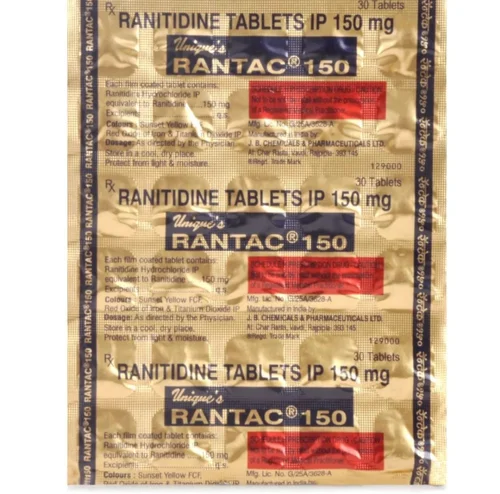

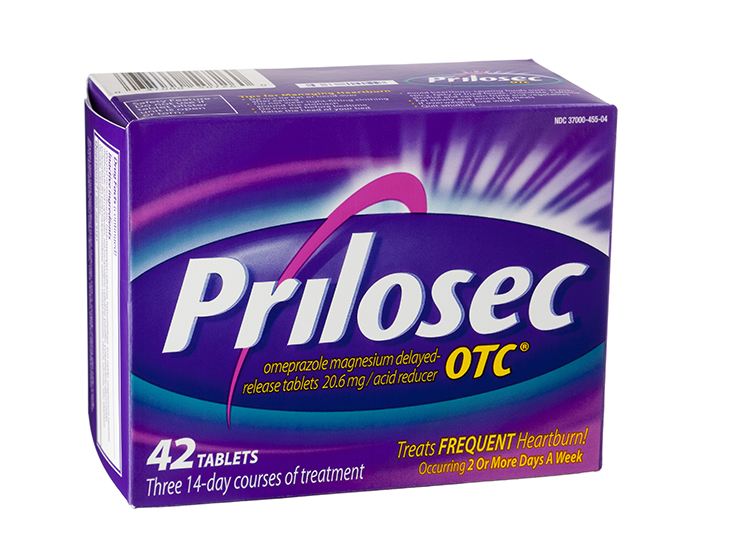

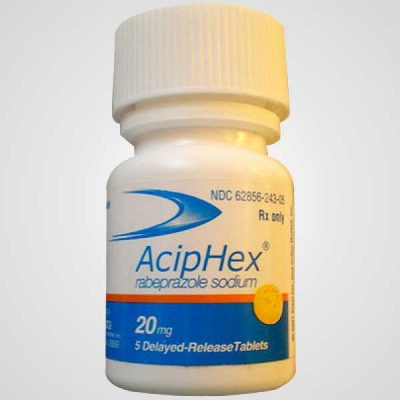
How it Works:
Ranitidine binds to histamine receptors (specifically H2 receptors) in the stomach. Histamine is a chemical that plays a key role in stimulating acid production in the stomach. When Ranitidine blocks these receptors, it reduces the amount of acid produced in the stomach. This decrease in stomach acid helps relieve symptoms of acid reflux, heartburn, and ulcers. Additionally, by lowering acid levels, Ranitidine allows damaged tissues in the stomach and esophagus to heal, improving overall digestive health.
Uses:
Tac (Ranitidine) 150 mg is primarily used to:
- Treat GERD (Gastroesophageal Reflux Disease): A chronic condition where stomach acid frequently backs up into the esophagus, causing discomfort, pain, and potential damage to the esophageal lining.
- Manage Heartburn: Heartburn is a common symptom of acid reflux, and Ranitidine helps by reducing the acid in the stomach and alleviating burning sensations in the chest.
- Heal Stomach Ulcers: It helps in the treatment of peptic ulcers by decreasing acid production, promoting healing of the ulcerated tissue.
- Prevent Ulcer Recurrence: Tac can also be used to prevent ulcers from returning, especially in people who are at a high risk of developing them.
- Treat Zollinger-Ellison Syndrome: This rare condition results in excess acid production, and Ranitidine is used to manage the symptoms and complications associated with it.
Benefits:
- Effective Acid Suppression: By lowering stomach acid production, Tac provides relief from symptoms of acid reflux, heartburn, and stomach ulcers.
- Improves Digestive Comfort: By reducing acid irritation, it alleviates discomfort and pain in the stomach and esophagus.
- Promotes Healing: Tac helps heal the lining of the stomach and esophagus, making it useful in treating ulcers and gastroesophageal reflux disease (GERD).
- Prevents Ulcer Recurrence: It can help prevent the recurrence of peptic ulcers when used as part of a maintenance therapy regimen.
- Safe for Short-Term and Long-Term Use: Tac can be used both for short-term symptomatic relief and longer-term management of acid-related disorders when used under a healthcare provider’s guidance.
Side Effects:
Like all medications, Tac (Ranitidine) may cause side effects in some individuals. While most people tolerate it well, some common side effects include:
- Headaches
- Dizziness
- Constipation or Diarrhea
- Stomach pain
- Fatigue
Recommendations for Use:
- Dosage: Tac (Ranitidine) 150 mg is typically taken once or twice a day. It is usually taken orally, with or without food. Follow your healthcare provider’s instructions on how often and at what time to take the medication.
- Consistency: For best results, take Tac regularly and at the same time each day. Do not stop taking the medicine without consulting your healthcare provider, even if you feel better.
- Duration: Tac is often used for both short-term and long-term treatment. However, the duration of use should be determined by your healthcare provider based on your condition.
Safety Precautions:
- Pregnancy and Breastfeeding: Tac should be used during pregnancy or breastfeeding only if absolutely necessary. Consult your healthcare provider before using this medication if you are pregnant, planning to become pregnant, or breastfeeding.
- Kidney or Liver Disease: If you have a history of kidney or liver disease, inform your healthcare provider before using Tac. They may adjust your dose or recommend alternative treatments.
- Drug Interactions: Tac may interact with other medications. Always inform your healthcare provider of any other medications you are taking, including over-the-counter drugs, vitamins, and herbal supplements.
- Alcohol Consumption: Alcohol can increase the risk of stomach irritation and acid reflux. It’s advisable to limit alcohol intake while taking Tac to avoid exacerbating symptoms.
- Avoid Self-Medication: Do not take Tac for longer than recommended by your healthcare provider. Chronic or inappropriate use of acid-suppressing medications may lead to adverse health effects.
FAQs:
Can I take Tac (Ranitidine) with other medications?
Tac may interact with certain medications. Be sure to inform your doctor about all medications you are currently taking to avoid potential interactions.
How long does it take for Tac to work?
Tac typically starts working within a few hours, but it may take several days of consistent use for full benefits, especially in treating conditions like ulcers or GERD.
Can Tac (Ranitidine) be taken for heartburn relief?
Yes, Tac is commonly used to provide relief from heartburn, which is caused by acid reflux. It works by reducing the amount of stomach acid produced.
What are the common side effects of Tac (Ranitidine)?
Common side effects include headache, dizziness, constipation, or stomach pain. Most side effects are mild, but consult your healthcare provider if they persist or worsen.
How should Tac (Ranitidine) be stored?
Store Tac at room temperature, away from moisture and heat. Keep it out of reach of children and never use it past its expiration date.
How long does it take to deliver Tac (Ranitidine) to the US?
International shipping of tablets to the US takes approximately 14 to 25 days. For domestic shipping, the estimated delivery time is up to 10 days.
Do I need a prescription to buy Tac (Ranitidine)?
While we offer the option to buy tablets without a prescription internationally, we strongly recommend consulting your physician and seeking medical advice before taking any medication.
Important Note:
Purchasing Tac (Ranitidine) 150 mg online from USA-PharmaStore is simple and secure for US customers. It accepts trusted payment methods like Visa, Mastercard, and PayPal, which protect transactions and keep information safe. Customers benefit from guaranteed delivery, with a full refund offered if orders do not arrive as expected, fostering trust in online medication purchases. Responsive customer support is available via email at [email protected], typically responding within 48 hours to any medication or order status questions.
Reviews
There are no reviews yet.